Indie label since 1991 · relaunched with AI
DropHit Records
A Newark, Delaware independent record label that started on cassette in 1991, launched drophit.com as the first MP3 site on the web in 1994, and has pressed 30,000+ discs since. Two dormant domains in, one fully relaunched label site out — researched, designed, built, and shipped with Claude Code.
The AI angle
Claude Code ran the relaunch as a coordinator with parallel research agents: 1,400 archived URLs, discography databases, and the owner's own 20-year-old archive drive mined into a cited label history; 64 compilation artists traced and fact-checked; three design directions mocked up; then built, verified, and shipped in about four hours of total working time.
- Started from nothing: two dormant domains, no code, no content, no assets
- Parallel research agents + one coordinator: ~1,400 Wayback URLs, Discogs, MusicBrainz, press
- 64 artists from the 2006 comp traced over 5 research/verification passes — 46 with stories
- Live in ~4 hours of working time: 40+ deploys, structured-data SEO, sitemap submitted, indexing requested
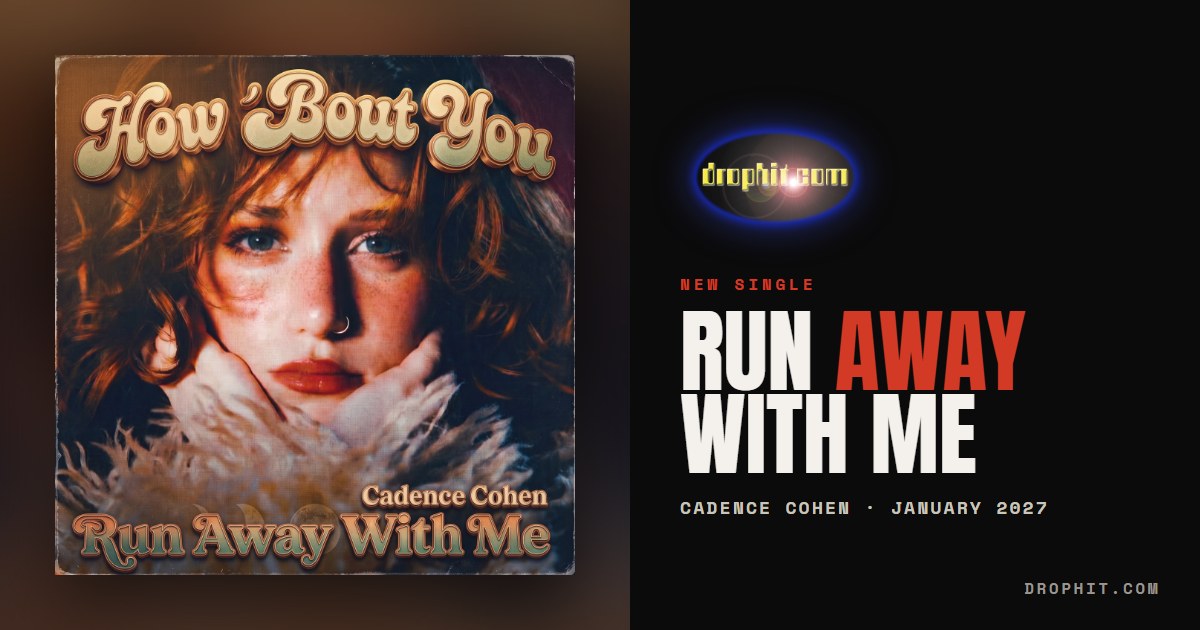
DropHit Records is the oldest thing Hansen House owns. In 1994 it put music on the web before almost anyone else; in October 2026 we brought it back. Zack Hansen owned drophit.com and drophit.net, both dormant — one pointed at a dead server, the other at a logo page. There was no codebase, no content, and no assets: just two domains and the owner's memory. About four hours of working time later, it was a live, indexed label site with a verified 35-year history, fronting a new artist's debut single.
The Brief
Three asks: dig up everything the label had ever done in the '90s and 2000s; relaunch the site around the new artist, Cadence Cohen, and her debut single "Run Away With Me" (January 2027); and show that DropHit has a real history without leaning on "we're making a comeback." The whole build ran in Claude Code (Claude Opus 5.5) in the Claude desktop app, with Zack directing by voice and chat.
Phase 1: Archival Research, in Parallel
Claude acted as coordinator and split the research across four parallel research agents:
- One pulled the Wayback Machine record of both domains — about 1,400 archived URLs, 1998–2026
- One searched discography databases through the Discogs and MusicBrainz APIs
- One searched press, trademark, and promotion records
- One looked for everything public on the new artist
One Report, 14 Questions
A report-writer agent merged their notes into a cited history report covering the roster, the catalog, events, the years the domain was lost (2001–04), and recoverable media. The report ended with 14 open questions — conflicting founding years, who released which early records. Zack answered all 14 in one message, and those answers became the source of truth that overrode the archives.
Phase 2: Mining the Owner's Archives
Next, Claude searched Zack's archive drive by file name only, deliberately steering clear of personal and financial folders. It turned up the original DropHit site source, the 1999 oval logo, tour posters and postcards, and the 2006 compilation's tray-card artwork. Python (Pillow and psd-tools) opened 20-year-old Photoshop files directly — including hidden layers in a 2000 press-kit file that held two clean, high-res band photos that had never been used. A background agent inventoried the whole old site, about 4,000 files, without copying any member data or credentials.
Phase 3: Design, Iterated Live
Claude built three distinct homepage directions as mockups; Zack picked a bold editorial style with big type and a single red accent. From there the loop was: voice feedback ("the logo's too big", "it should say Coming soon") → edit → check in a real browser at desktop and phone sizes → deploy → confirm on the live site. The site was redeployed more than 40 times along the way.
The animated header started from a single screenshot of the Claude Code start screen. Claude rebuilt that feel as a lightweight canvas effect: faint monospace characters drifting in slow storm-cloud patches, woven from the names of the label's own roster bands, with a soft blue tint moving through it; a tap sends a blue wave along the cloud. It took several rounds on taste — "too busy", "no squares behind the words", "don't react to hover" — each checked in the browser before going live.
Phase 4: Content That's True
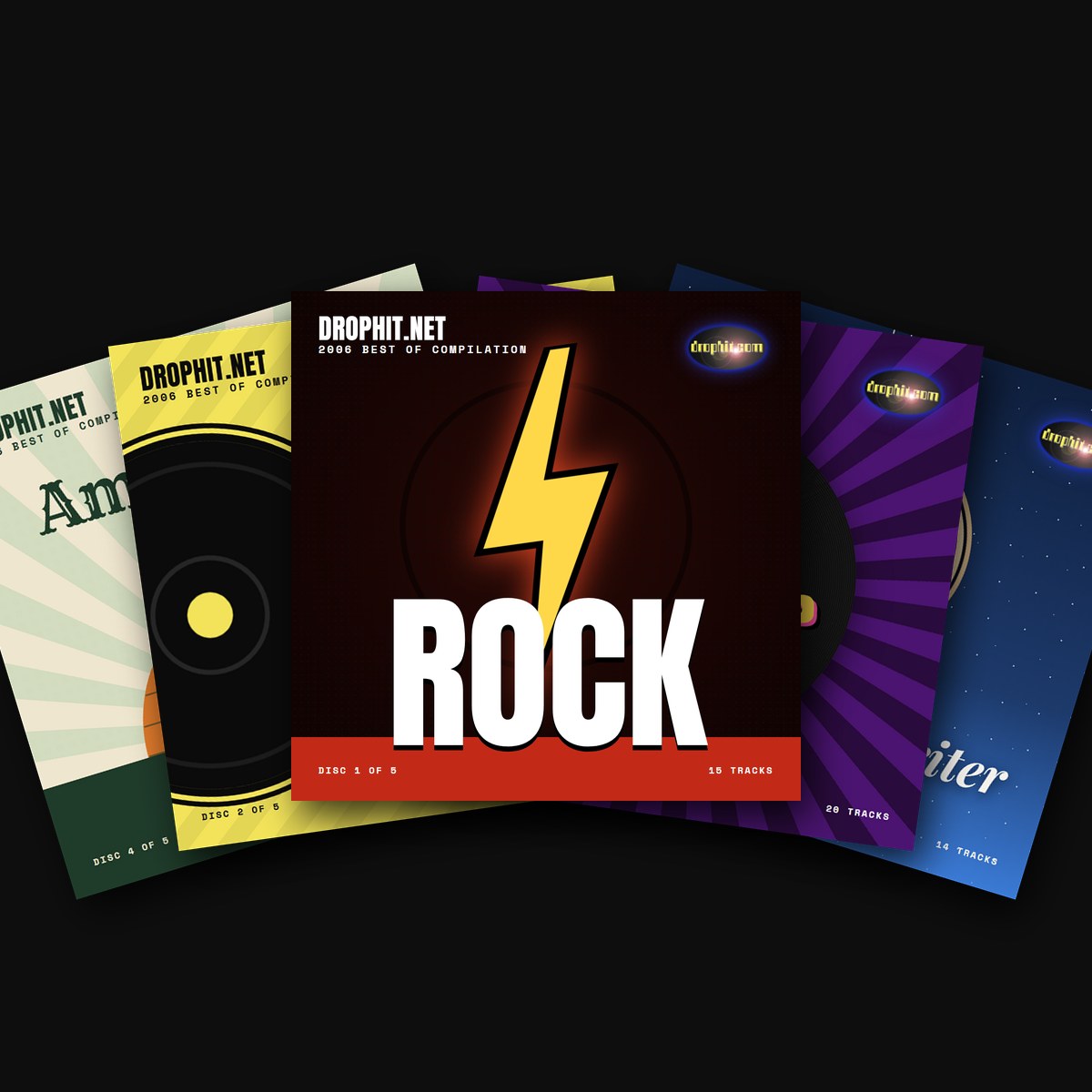
The catalog runs to 12 releases (1991–2027), with real cover art sourced from Discogs, Qobuz, Bandcamp, and the owner's own promo postcard. The original 2006 compilation artwork was never saved, so Claude designed five new album covers and a matching printed CD face for each disc. It also added up Spindrift's Spotify plays track by track across every release: 10,047,209.
The centerpiece is "Where they went": a deep dive on all 64 artists from the 2006 compilation, run over three research passes and two verification passes with about ten research agents in total. 46 of 64 have a story, and 16 became standout cards — an NAACP Image Award winner, a band that opened for Bon Jovi, a song placed on NBC's Scrubs, the English voice of a character in the hit cartoon Miraculous, and more.
Fact discipline was the rule: any claim that came only from an artist's own bio was checked independently. Unverifiable claims were either attributed ("per the band") or cut — including an Emmy, a Dua Lipa credit, and an opening slot for Gregg Allman. The research even caught misspellings on the original 2006 tray cards, which were corrected on the site.
Phase 5: Shipping Like a Real Product
Shipping got the same rigor as the build:
- Hosting: a Vercel project, with one A record per domain at GoDaddy — existing Google Workspace mail records left untouched. drophit.net and the www hosts redirect to drophit.com.
- SEO: title, description, and canonical URL; Open Graph and Twitter cards with a custom 1200×630 share image; JSON-LD for the Organization, MusicGroup, MusicAlbum, and catalog; robots.txt, sitemap.xml, and alt text on every image.
- Search Console: Claude used Claude in Chrome, inside the owner's signed-in session, to submit the sitemap and request indexing.
- Inbound: a label-style footer with routed contact links (A&R, booking, management, licensing, press, mastering), and a one-click pre-filled submission email for new artists. A spam-protected serverless form was built first; Zack chose the simpler email route, so there's no backend to maintain.
Before and After
| Before | After | |
|---|---|---|
| drophit.com | Dead server, no response | Live label site over HTTPS |
| drophit.net | Logo placeholder page | Redirects to drophit.com |
| History | Scattered across a 20-year-old archive drive and the Wayback Machine | Timeline, 12-release catalog, 18-piece vault |
| 2006 compilation | Five plain tray cards | 5 designed covers, 5 printed CD faces, full tracklists, 64 artists traced (46 with stories) |
| New artist | No public presence beyond Instagram | Hero release with a Coming soon tag and a share card |
| Search | Not indexed | Structured data, sitemap submitted, indexing requested |
| Inbound | Nothing | One-click pre-filled submission email plus routed contact links |
| Look and feel | None | Animated header woven from the roster's band names, cover-art hero, DropHit blue accents |
What Made the AI Work
- Parallel research, single editor. Sub-agents covered breadth across dozens of sources each; one coordinator merged the results and kept the facts straight.
- The human stays the source of truth. When records conflicted, Claude raised the conflict instead of guessing.
- Verify before you publish. Every artist claim was checked against independent sources; self-reported bios were attributed or cut. Even a wrong link Claude had generated itself was caught before shipping.
- Respect for privacy and secrets. Personal drives searched by file name only, member data kept out, API keys never typed or exposed, mail DNS left alone.
- Always check the real thing. Every change verified in a real browser at desktop and phone sizes, then again on the live site.
- Show, don't spec. One screenshot was enough of a brief for the animated header.
- Fast iteration on taste. Dozens of small, opinionated tweaks in the owner's own words — "3% smaller", "give it more definition" — each round taking minutes.
What's Next
DH-012: Cadence Cohen's debut single, "Run Away With Me," lands January 2027 on DropHit Records.
Built by Hansen House with Claude Code — DropHit Records is a Hansen House LLC company, independent since 1991 and still listening.